














Choosing a desk phone when everybody has a mobile
The desk phone was supposed to disappear ten years ago. It stayed, for three specific reasons — and one of them is the only thing that still works when the link goes down. How to choose, and when not to buy one at all.
The question comes up on every project, and it is asked with a certain awkwardness: “do we still need telephones?” It deserves better than a sales answer, because the right answer is sometimes no.
The three reasons the desk phone stayed
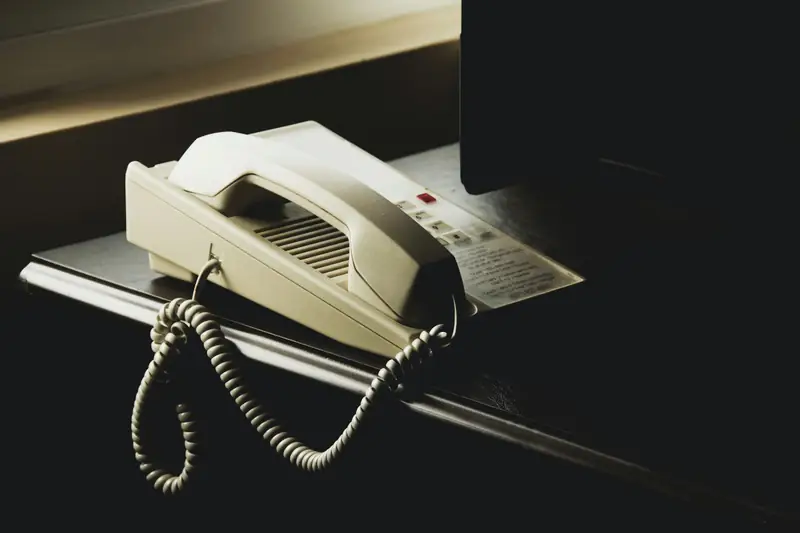
- It works when nothing else does. A SIP handset attached to a local Edge rings during an internet outage. A mobile app does not — it is woken by Apple’s and Google’s notifications, which need the network. On a site where the phone is a safety device, that is not a comfort detail.
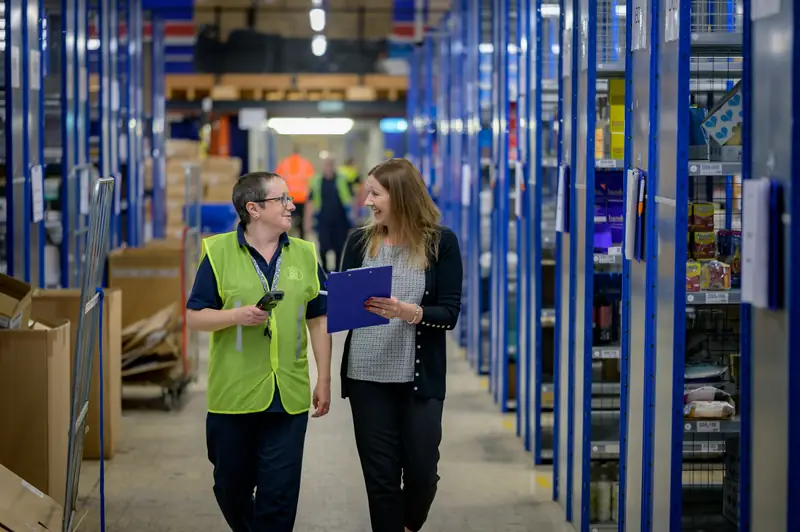
- It belongs to a place, not to a person. A loading bay, a reception desk, a treatment room, a corridor: you want the place to have a number and whoever is there to answer. A mobile does not do that.
- It does not share its processor. Eight hours of calls a day on a laptop that is compiling, updating and running video meetings — you can hear it. A desk phone does one thing.
What to look at, in order
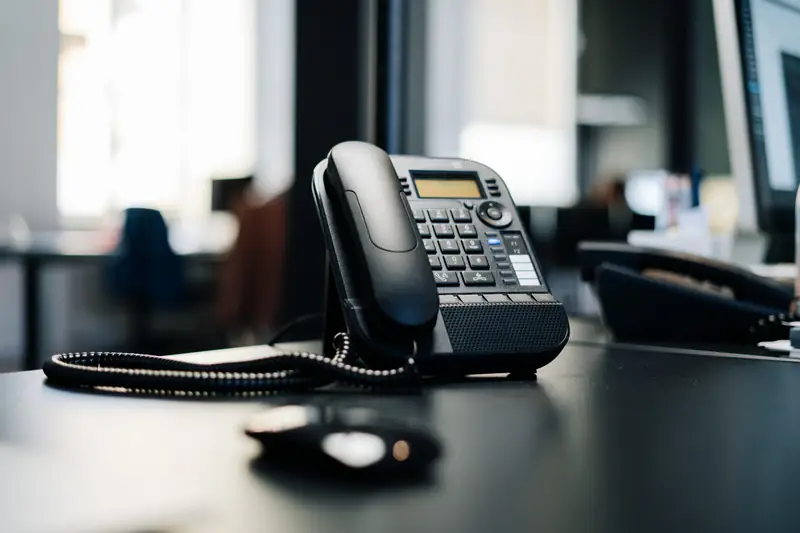
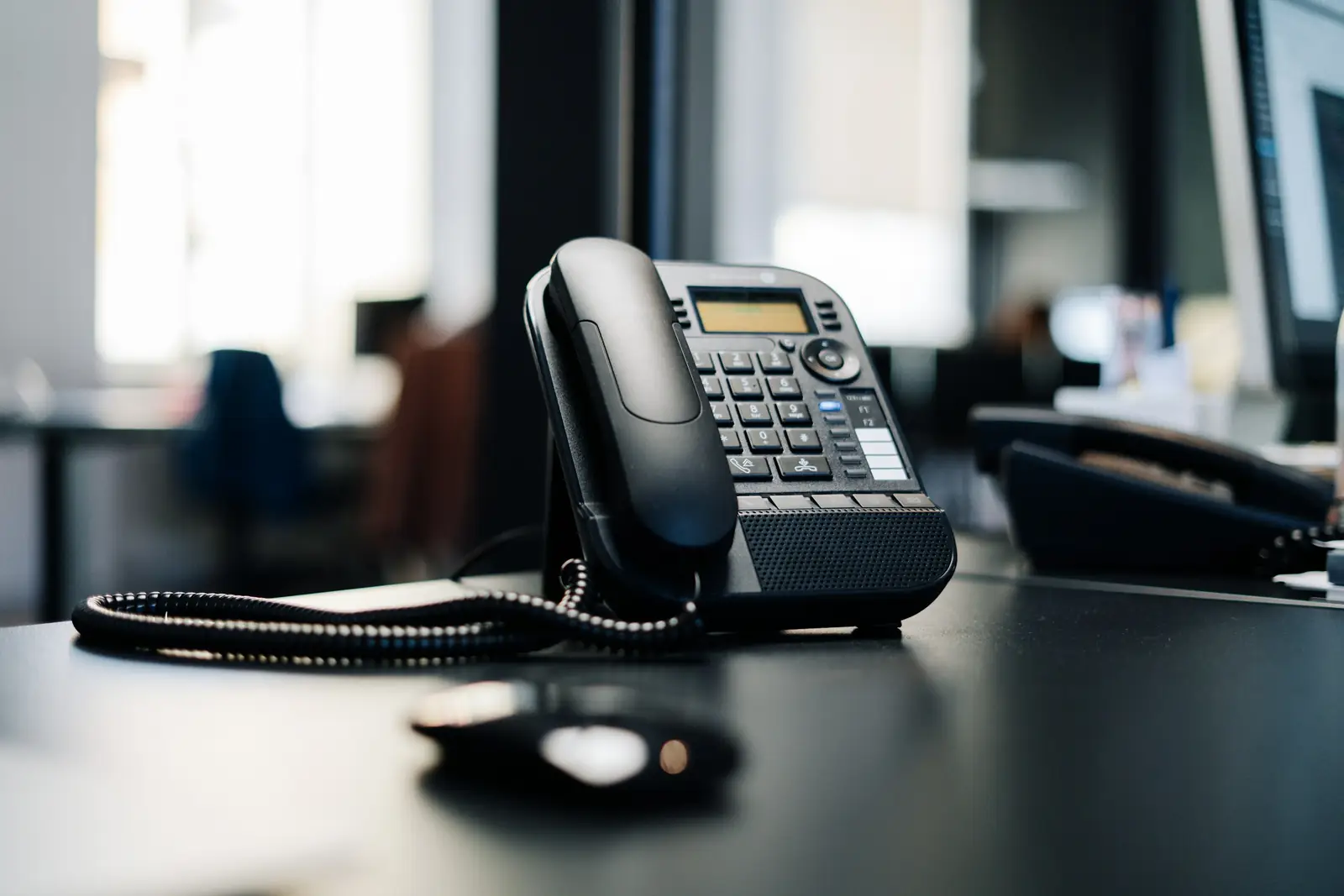
- The handset and the speakerphone. That is 90 % of the satisfaction and it is the part you cannot read off a datasheet. Ask for a test unit and have the person who is on the phone most use it for a week.
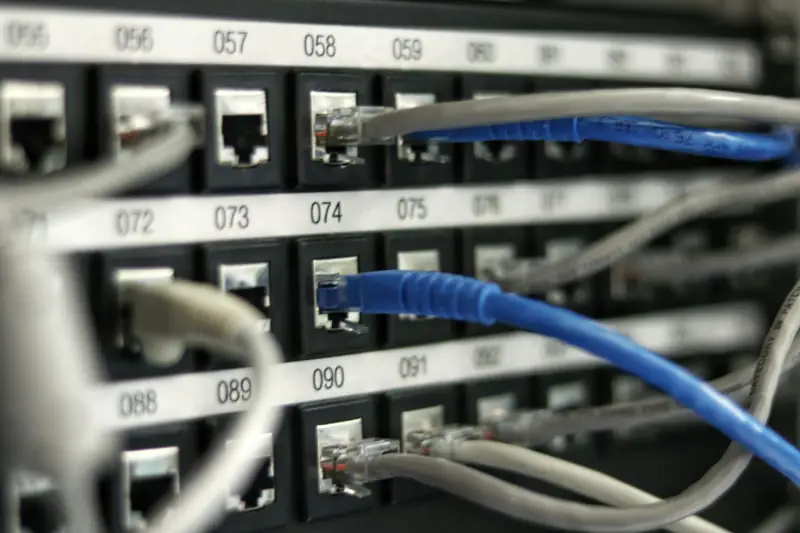
- Automatic provisioning. The handset has to be able to receive its configuration remotely, without somebody walking desk to desk. Without it, every reorganisation becomes a tour of the building.
- The number of programmable keys. A reception desk transferring all day wants to see ten colleagues’ status on keys, not navigate a menu. An ordinary desk needs none of that.
- The pass-through Ethernet port. It lets you chain the computer behind the phone and save a wall socket. It is trivial, and it decides whether a deployment in an old building is feasible at all.
- Power over the network cable. If your switches supply it, a handset powered that way removes one power brick per desk — and it stays powered from the rack’s UPS, which is the real benefit.
The best desk phone is almost always the one you already have. The useful question is not “which to buy” but “which to keep”.
When not to buy one
There are situations where a desk phone is money wasted, and we say so in the meeting:
- A team working entirely remotely or on the road. A decent headset and the app do better, for less.
- A site with no reception desk and no on-call rota. If there is nothing to lose during an outage, the desk phone’s main argument disappears.
- An office where two people share less than ten square metres. Two speakerphones three metres apart is a bad idea that no hardware will rescue.
What Konvoice takes over
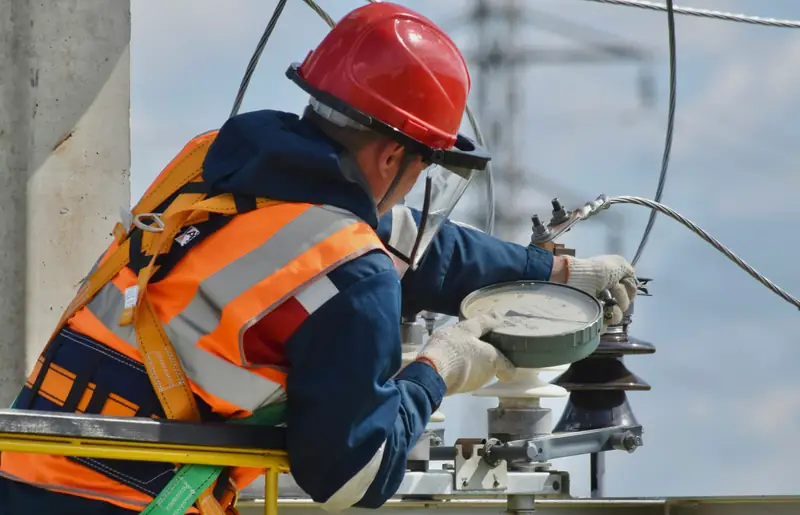
Konvoice provisions standard SIP handsets: Yealink, Fanvil, Grandstream, Poly, Snom, the SIP-capable Cisco models, multi-cell DECT bases, and analogue adapters for the equipment that cannot be replaced — an explosion-proof telephone, a loading-bay intercom, a lift.
We survey your estate before signing and tell you which models, if any, will not follow. It is a list we would rather hand over before the contract: discovering three weeks after the switchover that forty handsets have to be replaced is a fairly reliable way to lose an IT director’s trust.